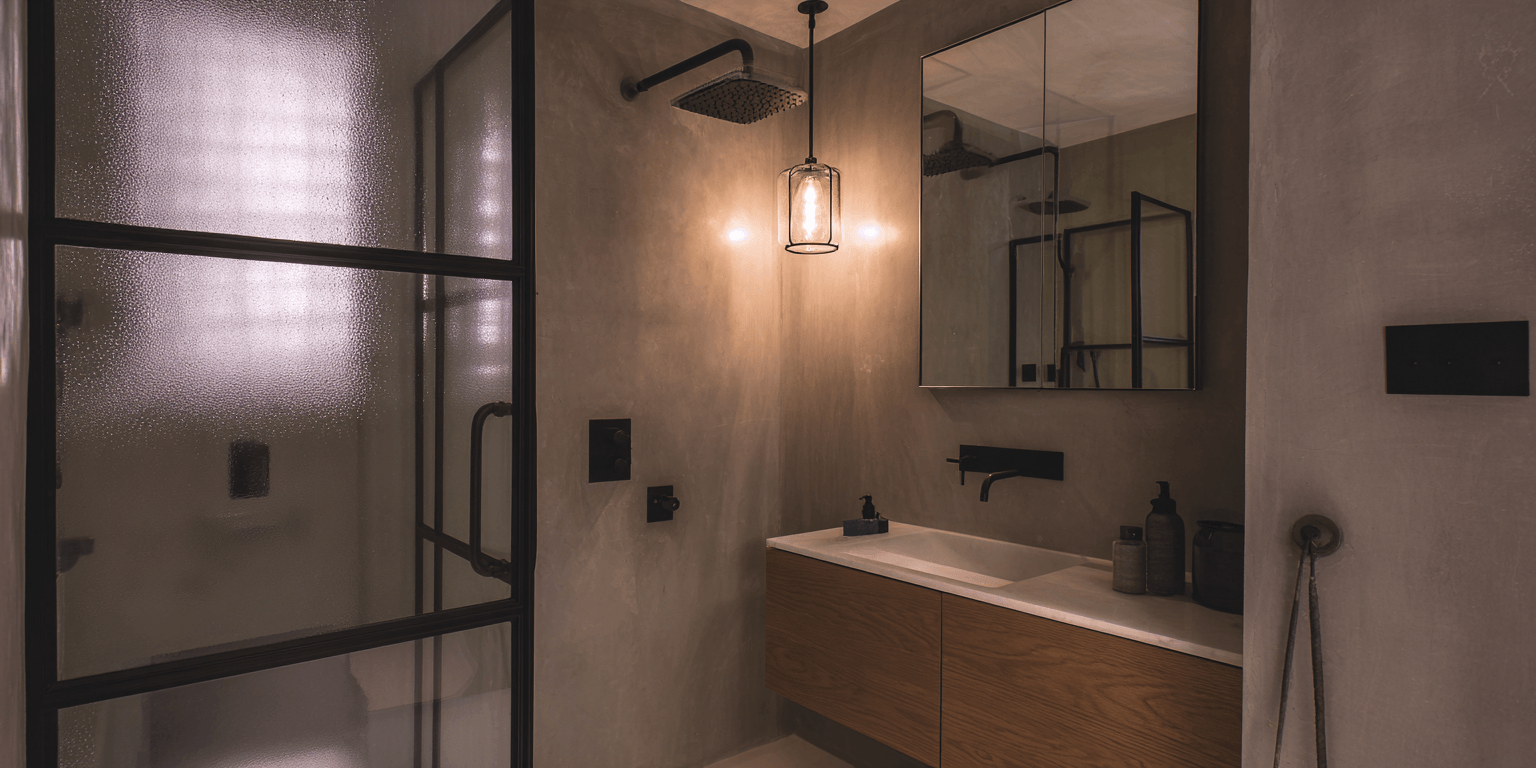
When exploring bathroom renovation ideas Toronto homeowners are often looking for a balance between style, functionality, and long-term value. Whether you live in a downtown condo or a larger suburban home, the right design approach can completely transform your bathroom into a space that feels both practical and luxurious.
Quick answer: the most popular bathroom renovation ideas Toronto homeowners choose right now include walk-in glass showers, floating vanities, heated floors, large-format tile, smart storage, and warm modern lighting. Below we break down the best ideas for small bathrooms, modern layouts, and upgrades that add resale value.
Modern renovations today go beyond aesthetics—they focus on smart layouts, efficient storage, and timeless materials that elevate everyday living. In this guide, we’ll walk through the most effective bathroom renovation ideas Toronto homeowners are using to create beautiful, functional spaces. Renoca Design has been helping Toronto homeowners renovate with confidence — explore our full bathroom renovation Toronto page to see how we approach every project.
Bathroom Renovation Ideas Toronto for Small Spaces
Small bathrooms require thoughtful planning to maximize every inch without sacrificing design.
Key ideas include:
- floating vanities to create visual space
- wall-mounted faucets for a cleaner look
- large mirrors to reflect light
- light color palettes to open up the room
- glass showers instead of bulky tubs
If you’re working with a compact layout, exploring small bathroom renovation ideas can help you make smarter design decisions that improve both function and appearance.
Modern Bathroom Renovation Ideas Toronto Homeowners Love
Modern design continues to dominate renovation ideas, focusing on clean lines and minimal clutter.
Popular modern features include:
- frameless glass walk-in showers
- floating wood or matte cabinetry
- integrated lighting (LED mirrors, under-vanity lights)
- neutral tones with warm textures
- minimal hardware and sleek fixtures
This approach creates a timeless look that won’t feel outdated in a few years.
Bathroom Renovation Ideas Toronto for Luxury Finishes
For homeowners looking to elevate their space, luxury finishes are a key part of renovation ideas.
High-end design elements include:
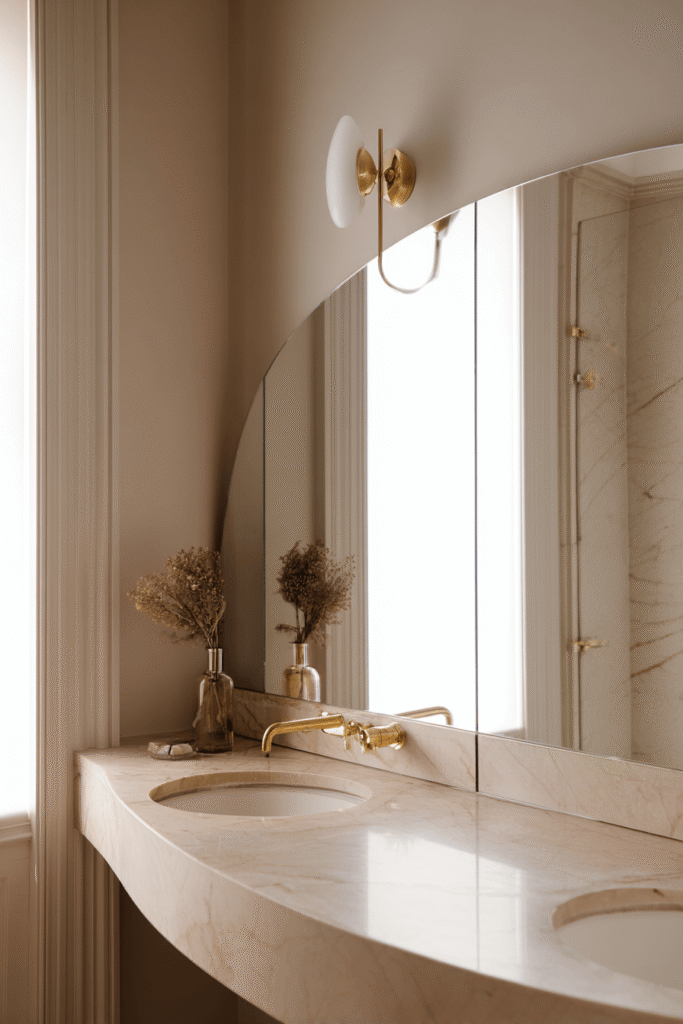
- marble or stone-look tiles
- freestanding bathtubs
- brass or matte black fixtures
- custom vanities
- heated flooring
Luxury doesn’t always mean overcomplicated—it’s about attention to detail and quality materials.
Functional Bathroom Renovation Ideas Toronto for Everyday Use
Beyond aesthetics, functionality is a major focus when planning a new project.
Smart upgrades include:
- built-in shower niches for storage
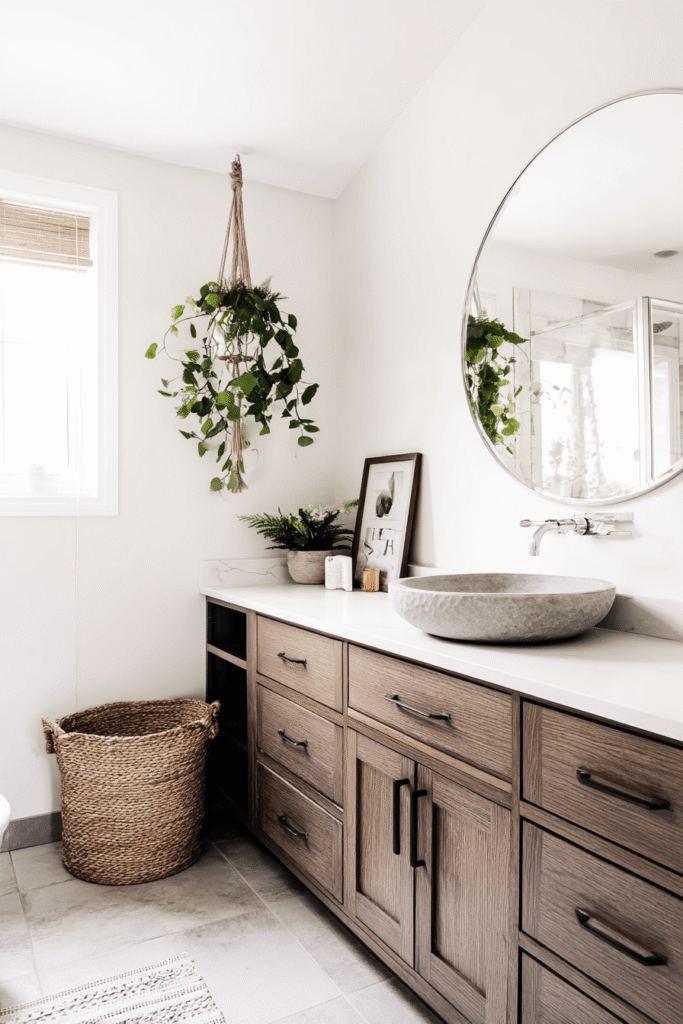
- double vanities for shared spaces
- improved lighting layers (task + ambient)
- efficient ventilation systems
- durable, easy-to-clean materials
A well-designed bathroom should feel effortless to use daily.
Bathroom Renovation Ideas Toronto and Layout Optimization
Layout plays a critical role in how your bathroom feels and functions. Many successful bathroom renovation ideas Toronto projects focus on improving flow rather than just upgrading finishes.
Layout improvements may include:
- repositioning the vanity for better space usage
- converting tubs into walk-in showers
- optimizing storage areas
- removing unnecessary partitions
Even small layout changes can significantly enhance usability.
Material Selection
Material selection defines the overall tone of your bathroom. The right combination can make your space feel warm, modern, or luxurious.
Trending materials include:
- porcelain tiles with natural stone appearance
- wood accents for warmth
- textured tiles for visual depth
- matte finishes for a modern look
Choosing materials carefully helps balance cost, durability, and design.
Hiring the Right Contractor
Even the best design ideas depend on proper execution. Working with experienced professionals is essential for bringing your vision to life.
Partnering with reliable bathroom renovation contractors Toronto ensures:
- quality workmanship
- proper installation
- compliance with building standards
- smoother project management
The right team can make the entire renovation process more efficient and stress-free.
Project Planning
Planning is one of the most overlooked aspects of renovation. Understanding timelines and sequencing helps prevent delays and unexpected costs.
Before starting your project, review this guide on bathroom renovation timeline Toronto to better understand what to expect during each phase.
Proper planning allows you to:
- set realistic expectations
- coordinate materials and labour
- avoid unnecessary disruptions
Bathroom Renovation Ideas in Toronto That Add Long-Term Value
Certain upgrades not only improve your daily experience but also increase property value.
High-impact improvements include:
- modern walk-in showers
- updated vanities and storage
- energy-efficient fixtures
- timeless finishes
- improved lighting
These features make your home more appealing to future buyers while enhancing your current lifestyle.
Frequently Asked Questions About Bathroom Renovation Ideas Toronto
What are the most popular bathroom renovation ideas in Toronto homeowners choose?
Modern designs with walk-in showers, floating vanities, and neutral tones are among the most popular choices. These styles offer both functionality and long-term appeal.
How do I choose the right bathroom design?
Start by identifying your priorities—whether it’s storage, aesthetics, or functionality. Then choose materials and layouts that align with your goals.
Are small bathrooms harder to renovate?
Small bathrooms require more precise planning but can deliver excellent results when designed properly.
How long does a bathroom renovation take?
Most bathroom renovations in Toronto take 2 to 4 weeks of construction, or 4 to 8 weeks end to end including planning. See our full bathroom renovation timeline Toronto guide for a stage-by-stage breakdown.
Do bathroom renovations increase home value?
Yes, well-designed renovations can significantly improve both usability and resale value.
Transform Your Bathroom with Renoca Design
The right bathroom renovation ideas Toronto can completely transform your space into something that is both functional and visually stunning. Whether you’re planning a small upgrade or a full redesign, the key is combining smart planning with expert execution.
If you’re ready to bring your vision to life, visit Renoca Design to explore your options and start your renovation journey with a team that understands both design and detail.