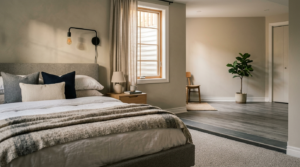
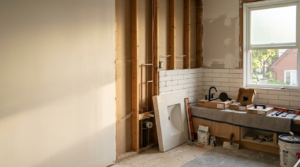
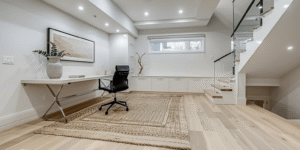
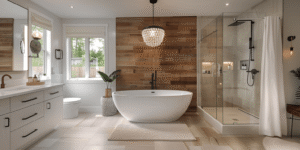
A basement renovations in Vaughan project can be much more than a way to add extra living space. For many homeowners, the biggest opportunity is converting an unfinished or underused basement into a legal basement apartment that can support rental income, multigenerational living, and long-term property value. At Renoca Design, basement renovation planning starts with the purpose of the space first, because a family room, guest suite, and legal apartment all require different levels of design, construction, and compliance.
In Vaughan, basement renovations are especially attractive because many detached and semi-detached homes have enough lower-level space to become functional living areas. However, a legal basement apartment is not the same as a basic finished basement. It may require permits, fire separation, egress planning, plumbing, ventilation, electrical work, ceiling-height review, and proper inspections.
This guide explains what Vaughan homeowners should know before starting, including cost factors, permit planning, legal apartment requirements, and how to decide If your Vaughan project also touches the bathrooms, our guide to bathroom renovations in Vaughan covers planning, permits and trades.whether a basement apartment conversion is worth the investment.
Basement Renovations in Vaughan: Why Legal Apartment Conversion Matters
A basement renovations in Vaughan project becomes more valuable when the space is designed with long-term use in mind. A finished basement can improve comfort, but a legal basement apartment can create a stronger financial case because it may generate rental income or support extended family living.
A legal apartment is usually more complex than a recreational basement because it must function as a self-contained living space. That means the renovation may need to include:
- A separate sleeping area
- Bathroom facilities
- Kitchen or kitchenette
- Proper ventilation
- Fire and life-safety planning
- Egress or safe exit requirements
- Electrical and plumbing compliance
- Sound control considerations
- Building permit review
- Final inspections
The City of Vaughan has official guidance for secondary suites and additional dwelling units, noting that regulations are in effect to support affordable housing options while protecting safety and community character.
For homeowners who want professional help planning the project from concept to construction, Renoca Design’s basement renovation services can help identify whether the space is better suited for a family-use basement, guest suite, or income-focused legal apartment.
What Makes a Basement Apartment Legal vs. Illegal?
A legal basement apartment is not simply a basement with a kitchen and bathroom. It must meet applicable zoning, building code, fire safety, and municipal requirements. An illegal basement apartment may look finished, but it can create serious issues with safety, insurance, resale, financing, and tenant use.
A legal basement apartment usually requires attention to:
- Permitted residential use
- Building permit approval
- Fire separation between units
- Smoke and carbon monoxide alarms
- Safe exits
- Bedroom egress
- Proper ceiling height
- Heating and ventilation
- Plumbing and drainage
- Electrical safety
- Inspections and final approval
An illegal basement apartment may be missing permits, fire protection, proper exits, or safe construction details. These problems can become expensive if the homeowner later tries to sell the property, refinance, insure the home, or respond to a complaint.
For broader GTA context, the City of Toronto secondary suite requirements are a useful outbound reference because Toronto identifies a basement apartment as a common example of a secondary suite and treats the work as a building permit for interior alteration to add a second dwelling unit.
While Vaughan has its own municipal process, Toronto’s page is still helpful for homeowners who want to understand how large GTA municipalities approach secondary suites, documentation, and building-permit review.
Basement Renovations in Vaughan Cost Factors
The cost of a basement renovations in Vaughan project depends on the scope. A basic finished basement costs much less than a legal apartment conversion because the legal apartment must meet more safety, plumbing, electrical, and building requirements.
Major cost factors include:
- Basement size
- Existing condition
- Ceiling height
- Moisture or waterproofing needs
- Plumbing rough-ins
- Electrical panel capacity
- HVAC and ventilation
- Bathroom installation
- Kitchen or kitchenette installation
- Fire separation
- Egress windows or exit planning
- Flooring and insulation
- Permit drawings and application support
- Labour and inspection coordination
A family room renovation may focus mostly on flooring, drywall, lighting, and finishes. A legal basement apartment must be planned as a complete living unit, which makes the budget more complex.
If you are still comparing basic finishing costs against a larger conversion, Renoca’s guide on the cost to finish a basement in Toronto can help you understand how pricing changes based on scope, materials, and features.
Basement Renovations in Vaughan Pricing: Basic Finish vs. Legal Apartment
A basic basement renovation may be appropriate if the homeowner only wants extra living space. However, if the goal is rental income, the project should be priced and planned differently from the beginning.
A general planning breakdown may look like this:
| Project Type | Typical Scope | Cost Level |
|---|---|---|
| Basic finished basement | Drywall, flooring, lighting, paint, open living area | Lower |
| Mid-range basement renovation | Better finishes, storage, laundry updates, possible bathroom | Moderate |
| High-end basement renovation | Custom media wall, wet bar, premium flooring, full bathroom | Higher |
| Legal basement apartment | Kitchen, bathroom, fire separation, egress, permits, inspections | Highest |
The most important point is that a legal basement apartment should not be priced like a cosmetic renovation. It is closer to building a second functional unit inside the home.
The higher upfront investment may be justified if the apartment can support rental income, improve resale appeal, or create flexible family housing. However, homeowners should confirm the legal pathway before spending heavily on finishes.
Why Legal Basement Apartments Can Improve ROI
A legal basement apartment can improve return on investment in several ways. First, it can create a potential rental-income stream. Second, it can make the property more attractive to buyers who want mortgage support, multigenerational living, or flexible housing. Third, it can help homeowners use existing square footage instead of building an addition.
The ROI is strongest when the renovation is planned correctly from the start. A legal apartment conversion is not just about adding a tenant-ready space. It must be safe, comfortable, durable, and compliant.
ROI-focused features may include:
- Private or semi-private entrance planning
- Durable flooring
- Efficient kitchen layout
- Proper bathroom ventilation
- Strong sound separation
- Good natural and artificial lighting
- Practical storage
- Safe egress
- Low-maintenance finishes
- Code-conscious construction
A basement apartment that feels dark, cramped, damp, or poorly finished may not perform well even if it is technically rentable. Design and construction quality still matter.
Permits for a Basement Renovations in Vaughan Project
Permit planning is one of the most important parts of a legal apartment conversion. Homeowners should not wait until construction starts to ask whether permits are needed. If the project involves a second dwelling unit, plumbing, structural changes, fire separation, electrical upgrades, or layout changes, permit review may be required.
Permit-related planning may include:
- Confirming zoning permissions
- Preparing drawings
- Showing existing and proposed floor plans
- Identifying plumbing fixtures
- Reviewing fire separation
- Planning egress
- Confirming smoke and carbon monoxide alarms
- Coordinating inspections
- Addressing comments from the municipality
The City of Vaughan’s secondary suite and additional dwelling unit guidance is the most relevant local starting point for Vaughan homeowners. It explains that secondary suite regulations are in effect and are intended to balance housing options with resident safety and community character.
A contractor experienced in basement apartments can help homeowners understand what information is likely needed before applying or beginning construction.

Legal Apartment Design: What Homeowners Should Plan Early
A legal apartment conversion should be planned from the inside out. Before choosing flooring or cabinet colours, homeowners should confirm the layout, exits, ceiling heights, mechanical needs, and plumbing feasibility.
Important planning questions include:
- Is the ceiling height acceptable?
- Can the basement support a separate sleeping area?
- Is there enough natural light?
- Is an egress window needed?
- Can plumbing support a bathroom and kitchen?
- Is the electrical panel sufficient?
- How will fire separation be handled?
- How will ventilation work?
- Is there enough sound separation?
- Is the entrance practical?
- Where will storage go?
These decisions affect cost and approval. Changing the plan later can lead to delays and added labour.
For homeowners still deciding which contractor to hire, Renoca’s guide on basement renovation contractors in Toronto explains what to ask before choosing a renovation team.
Fire Separation, Egress, and Safety Requirements
The difference between a finished basement and a legal apartment often comes down to safety. A tenant or family member living in a separate basement unit needs safe exits, smoke and carbon monoxide protection, proper separation, and a layout that meets applicable requirements.
Important safety elements may include:
- Fire-rated separation between units
- Smoke alarms
- Carbon monoxide alarms
- Bedroom egress
- Safe exit paths
- Proper stair and door planning
- Electrical safety
- Mechanical ventilation
- Fire-safe materials where required
These are not cosmetic details. They affect whether the basement apartment is safe and whether it can be approved.
This is also why finishing the basement first and “legalizing it later” can be risky. If drywall, flooring, and ceilings are already installed without proper planning, homeowners may need to remove finished work to correct compliance issues.
Moisture and Waterproofing Before a Legal Apartment Conversion
Before investing in a legal basement apartment, moisture should be reviewed carefully. A rental-ready space needs to be dry, comfortable, and durable. Water issues can damage flooring, drywall, cabinetry, and tenant belongings.
Warning signs include:
- Musty odours
- Foundation cracks
- Water stains
- Damp concrete
- Efflorescence on walls
- Mold or mildew
- Past flooding
- High humidity
- Soft drywall or baseboards
A legal apartment conversion should not cover up moisture problems. Any water-entry issue should be addressed before framing, insulation, drywall, or flooring begins.
Moisture-resistant material choices may include:
- Luxury vinyl plank flooring
- Porcelain tile
- Mold-resistant paint
- Moisture-conscious insulation
- Proper bathroom ventilation
- Durable baseboards and trim
A dry basement is the foundation of a successful apartment conversion.
Kitchen, Bathroom, and Mechanical Planning
A legal basement apartment usually needs a bathroom and kitchen or kitchenette. These are often the most expensive parts of the renovation because they involve plumbing, electrical, ventilation, cabinetry, fixtures, and waterproofing.
A basement bathroom may require:
- Drainage planning
- Shower or tub installation
- Toilet and vanity plumbing
- Exhaust fan
- Waterproofing
- Tile work
- Lighting and outlets
A basement kitchen may require:
- Cabinetry
- Countertops
- Sink plumbing
- Appliance planning
- Electrical outlets
- Ventilation considerations
- Fire and layout review
Mechanical systems also matter. Heating, cooling, air circulation, and ventilation affect comfort and habitability. Poor ventilation can make the unit feel damp or uncomfortable, even if the finishes look good.
Common Mistakes to Avoid When it Comes to Basement Renovations in Vaughan
A basement renovation vaughan project can become expensive if it is not planned properly. The most common mistakes happen when homeowners focus on finishes before confirming code, moisture, layout, and permit requirements.
Avoid these mistakes:
- Starting construction without checking permit needs
- Treating a legal apartment like a basic finished basement
- Ignoring ceiling height
- Skipping egress planning
- Forgetting fire separation
- Adding a kitchen without checking requirements
- Installing finishes before waterproofing
- Underestimating electrical and plumbing costs
- Hiring based only on the lowest quote
- Failing to plan inspections
The safest approach is to design the legal apartment as a compliant unit from the beginning, not as an afterthought.
How Renoca Design Helps Vaughan Homeowners
Renoca Design helps homeowners think through the full basement renovation strategy before construction begins. The process considers how the basement will be used, whether a legal apartment is realistic, what construction steps are needed, and how to balance budget with long-term value.
For legal apartment conversions, planning is especially important because the project involves more than design. It requires coordination between layout, permits, trades, materials, safety requirements, and inspections.
The goal is to create a basement that is not only attractive, but also practical, durable, and built around the homeowner’s long-term plans.
Final Thoughts
A basement renovations in Vaughan project can add meaningful value to a home, especially when the basement is converted into a legal apartment. For homeowners focused on ROI, rental potential, or multigenerational living, the legal apartment pathway is often the highest-value option.
However, it is also the most complex. Costs, permits, fire separation, egress, plumbing, electrical work, waterproofing, and inspections all need to be considered before construction begins.
Planning a basement renovation or legal apartment conversion in Vaughan? Contact Renoca Design today at +1 (647) 781-7510 to schedule a consultation and create a basement plan that fits your home, budget, and long-term goals.
Frequently Asked Questions
The cost depends on size, existing condition, finishes, plumbing, electrical work, waterproofing, and whether the basement is being converted into a legal apartment. A basic finished basement costs less than a legal apartment conversion because the legal unit requires more compliance and safety planning.
A legal basement apartment typically needs to meet zoning, building code, fire safety, egress, plumbing, electrical, ventilation, and permit requirements. Homeowners should confirm the requirements with the City of Vaughan before starting construction.
For many Vaughan homeowners, it can be worth it because it may create rental income, support multigenerational living, and improve resale appeal. The value depends on construction quality, compliance, layout, and local rental demand.
A basement apartment usually requires permit review because it creates or modifies a dwelling unit. Plumbing, electrical, fire separation, layout, and safety requirements may all need to be documented and inspected.
This is not recommended. If the basement is finished without planning for legal apartment requirements, homeowners may need to remove completed work to correct fire separation, egress, plumbing, electrical, or permit issues.