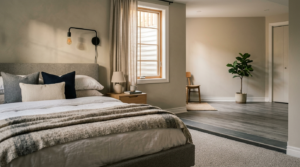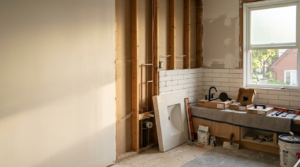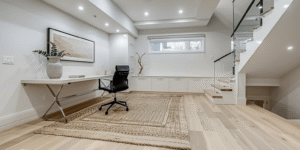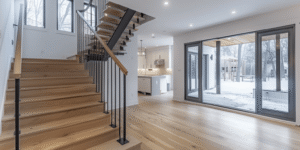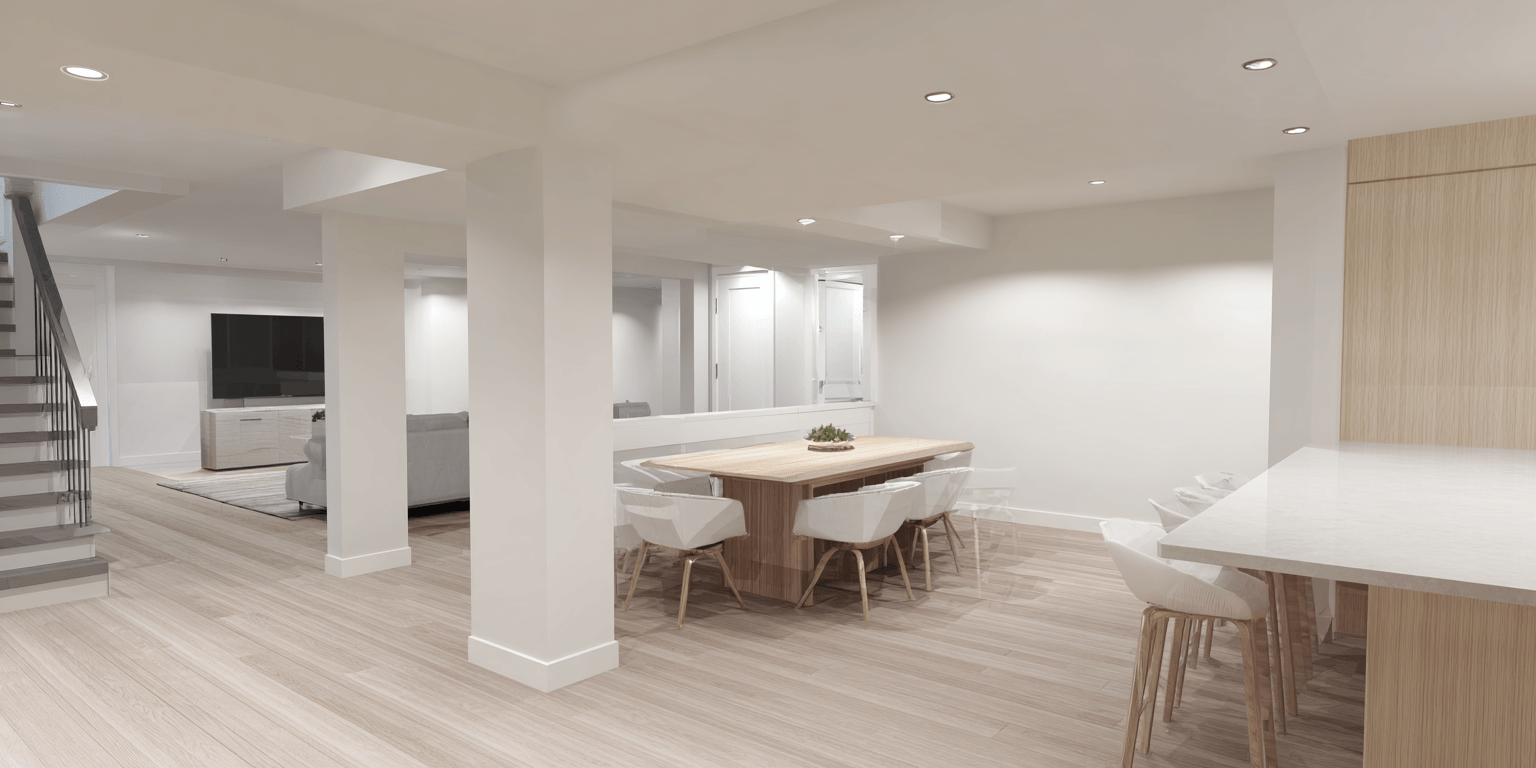
A legal basement renovation Toronto project goes beyond design and construction—it ensures that your basement meets all municipal building codes, safety standards, and zoning requirements. Whether you’re finishing a basement for personal use or converting it into a rental unit, legality is essential.
In Toronto and surrounding areas like Vaughan, Richmond Hill, and Markham, many homeowners begin renovations without fully understanding the legal implications. This often leads to costly corrections, delays, or even fines.
A legal renovation ensures that your basement is:
- Safe for occupancy
- Properly inspected and approved
- Compliant with Ontario Building Code standards
Legal Basement Renovation Toronto: Why Compliance Matters
Understanding why a legal basement renovation Toronto is important can save you from long-term issues. Non-compliant basements may look finished, but they can create serious problems down the line.
From a financial and legal perspective, an illegal basement can:
- Reduce property value
- Create issues during resale
- Prevent you from renting the space legally
- Lead to fines or mandatory removal of work
Many homeowners exploring renovation options start by reviewing design possibilities through resources like this basement renovation ideas Toronto guide, but transitioning from ideas to execution requires a clear understanding of legal requirements.
Permit Requirements
One of the most important steps in a legal basement renovation Toronto project is obtaining the proper permits. Permits ensure that all work is reviewed and approved by the city before and after construction.
You typically need permits when:
- Finishing an unfinished basement
- Adding or modifying plumbing
- Installing electrical systems
- Creating a secondary unit
Permit approval ensures that your renovation complies with safety standards and building codes.
What Happens If You Skip Permits?
Skipping permits is one of the most common and costly mistakes homeowners make. While it may seem like a way to save time or money, it often leads to complications.
Without permits, you may face:
- Stop-work orders
- Fines and penalties
- Difficulty selling your home
- Mandatory removal of completed work
A properly permitted project protects both your investment and your peace of mind.
Building Code Requirements
A legal basement renovation Toronto must meet specific Ontario Building Code requirements to ensure safety and livability.
Ceiling Height Requirements
Basements must meet minimum ceiling height standards to be considered habitable. In most cases:
- Minimum height is around 6 feet 5 inches (1.95 m)
- Certain areas (like beams) may have exceptions
Egress (Emergency Exit) Requirements
Egress windows or doors are essential for safety. They provide a secondary exit in case of emergency.
Requirements typically include:
- Minimum window size and opening area
- Easy accessibility without tools
- Direct access to the outside
Fire Safety and Separation
Fire protection is a critical component of any legal renovation.
This includes:
- Fire-rated drywall
- Smoke alarms in proper locations
- Fire separation between units (if applicable)

Ventilation and Insulation
Proper ventilation ensures air quality and prevents moisture buildup. Insulation is equally important for energy efficiency and comfort.
Together, these systems help maintain a safe and livable environment.
Legal Basement Renovation Toronto: Plumbing and Electrical Codes
A compliant legal basement renovation Toronto must also meet strict plumbing and electrical standards.
This includes:
- Proper drainage systems
- Backwater valves (to prevent flooding)
- Safe electrical wiring and panel capacity
- Ground fault protection in wet areas
These systems are not just technical—they directly impact safety and long-term performance.
Legal Basement Renovation Toronto Costs and Planning
The cost of a project is typically higher than a non-permitted renovation due to compliance requirements. However, this investment provides long-term value and protection.
Factors that affect cost include:
- Permit fees
- Structural upgrades
- Plumbing and electrical work
- Fire safety requirements
To better understand how costs are structured, many homeowners review a detailed basement renovation cost Toronto guide before starting their project.
Legal Basement Renovation Toronto for Rental Units
If you’re planning to convert your basement into a rental unit, legal compliance becomes even more critical.
A legal secondary unit must meet additional requirements such as:
- Separate entrance
- Soundproofing between units
- Fire separation standards
- Independent heating and ventilation systems
Meeting these requirements allows you to legally rent the space and generate income.
Design Ideas That Meet Legal Standards
A legal basement doesn’t have to feel restrictive. With proper planning, you can create a space that is both compliant and visually appealing.
Modern basement designs often include:
- Open-concept layouts
- Multi-functional living areas
- Built-in storage solutions
- Enhanced lighting to compensate for limited natural light
For additional inspiration beyond standard layouts, curated ideas like
https://www.architecturaldigest.com/story/basement-ideas-that-go-beyond-adding-a-ping-pong-table
show how basements can be transformed into stylish and functional spaces.
Common Mistakes in Legal Basement Renovation Toronto Projects
Even well-intentioned renovations can run into issues if legal requirements are overlooked.
Some of the most common mistakes include:
- Starting construction without permits
- Ignoring ceiling height restrictions
- Improper window sizing for egress
- Inadequate fire separation
- Poor ventilation planning
Avoiding these mistakes early can save significant time and money.
How to Approach a Legal Basement Renovation Toronto Project

A successful project requires a structured approach from the beginning.
Key steps include:
- Understanding zoning and bylaws
- Applying for permits early
- Working with experienced professionals
- Planning for inspections at each stage
This ensures that your project progresses smoothly and meets all required standards.
FAQs: Legal Basement Renovation Toronto
Do I need a permit to renovate my basement in Toronto?
Yes, most basement renovations require permits, especially if they involve structural, plumbing, or electrical changes.
What makes a basement “legal” in Toronto?
A legal basement meets all building code requirements, including safety, ventilation, and structural standards.
Can I rent out my basement without making it legal?
No. Renting an illegal basement can result in fines and legal issues.
How long does it take to get permits?
Permit approval timelines vary but typically take a few weeks depending on project complexity.
Is a legal basement renovation worth it?
Yes. It increases property value, ensures safety, and allows for legal rental income.
Final Thoughts
A legal basement renovation Toronto project is not just about improving your space—it’s about protecting your investment, ensuring safety, and unlocking long-term value. While the process may involve additional steps and costs, the benefits far outweigh the risks of non-compliance.
If you’re planning a basement renovation and want to ensure everything is done correctly from the start, contact Renoca Design at +1 (647) 781-7510 for expert guidance and a compliant, high-quality result.