...

What a Full Home Renovation Actually Costs and Includes

What a Full Home Renovation Actually Costs and Includes

A full home renovation toronto homeowners commission today typically lands between $150,000 and $450,000 for a detached property, runs four to nine months from first sketch to final walkthrough, and touches every system in the house: structure, electrical, plumbing, HVAC, finishes, and often the building envelope. The exact figure depends on square footage, how much you move walls, whether the original plumbing stack and panel survive, and what the city requires you to bring up to code once permits are pulled. The rest of this post breaks down where the money actually goes, what a realistic schedule looks like, and how to tell when a partial reno makes more sense than going all in.

What a full home renovation toronto budget actually covers

Most homeowners arrive with a number in their head and no breakdown behind it. A useful way to read any quote is by category, because that is how trades and suppliers invoice and how surprises tend to surface mid-project.

  • Demolition and disposal: $8,000 to $25,000 for a typical two-storey home, more if there is lath and plaster, asbestos, or knob-and-tube to remove safely.
  • Structural and framing: $15,000 to $60,000 if load-bearing walls move, beams are added, or a staircase is relocated.
  • Electrical: $12,000 to $35,000 to rewire a full house, add a 200-amp panel, and bring outlet counts up to current Ontario Electrical Safety Code requirements.
  • Plumbing: $10,000 to $40,000 depending on whether the cast iron stack and galvanized supply lines are being replaced.
  • HVAC: $8,000 to $25,000 for a new furnace, AC, ductwork rebalancing, and an HRV.
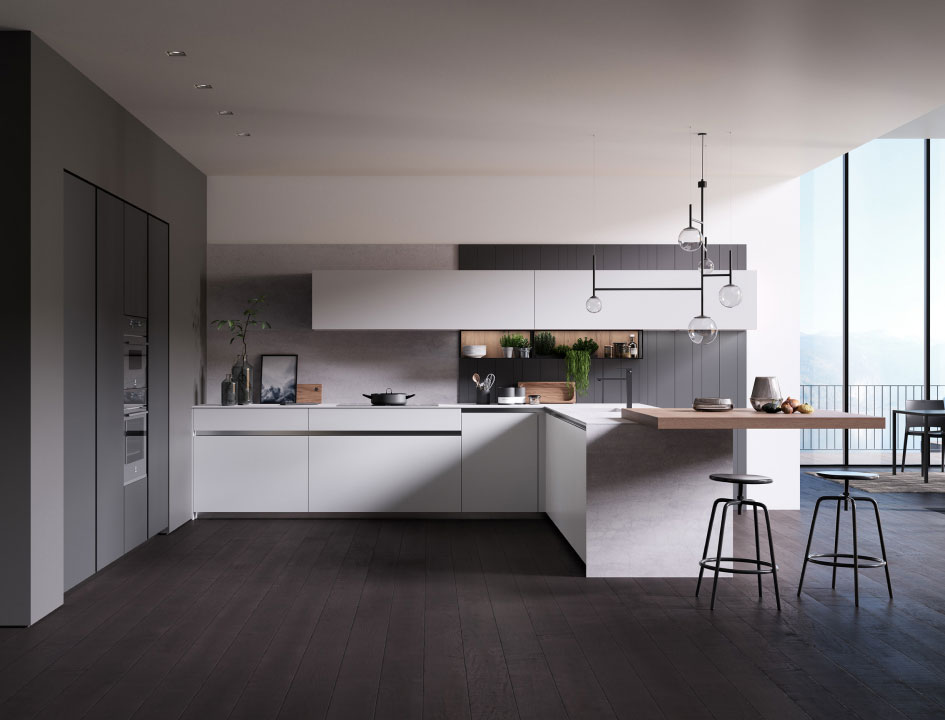
  • Kitchen: $35,000 to $120,000, with cabinetry and stone counters carrying most of the weight.
  • Bathrooms: $10,000 to $25,000 for a powder room or basic full bath, $30,000 to $70,000 for a primary ensuite with custom tile and a glass enclosure.
  • Flooring, paint, trim, doors: $25,000 to $80,000 across the whole house.
  • Design, permits, project management: usually 12 to 18 percent of the construction budget.

Add a 10 to 15 percent contingency on top. Older Toronto and North York houses almost always need it. The City of Toronto’s building permit information outlines what triggers a permit, and most full renos trigger several: building, plumbing, electrical, and sometimes HVAC.

Timelines: how long a home renovation toronto project really takes

The construction phase is the visible part. The invisible part, design and permitting, is where most projects either set themselves up to finish on time or quietly fall apart.

Design and permits: 6 to 14 weeks

Measurements, drawings, structural review by an engineer if walls are coming down, finish selections, and the permit submission itself. Committee of Adjustment or heritage review extends this in neighbourhoods like Cabbagetown, the Annex, and parts of Etobicoke and Scarborough where older zoning bylaws apply.

Construction: 14 to 28 weeks

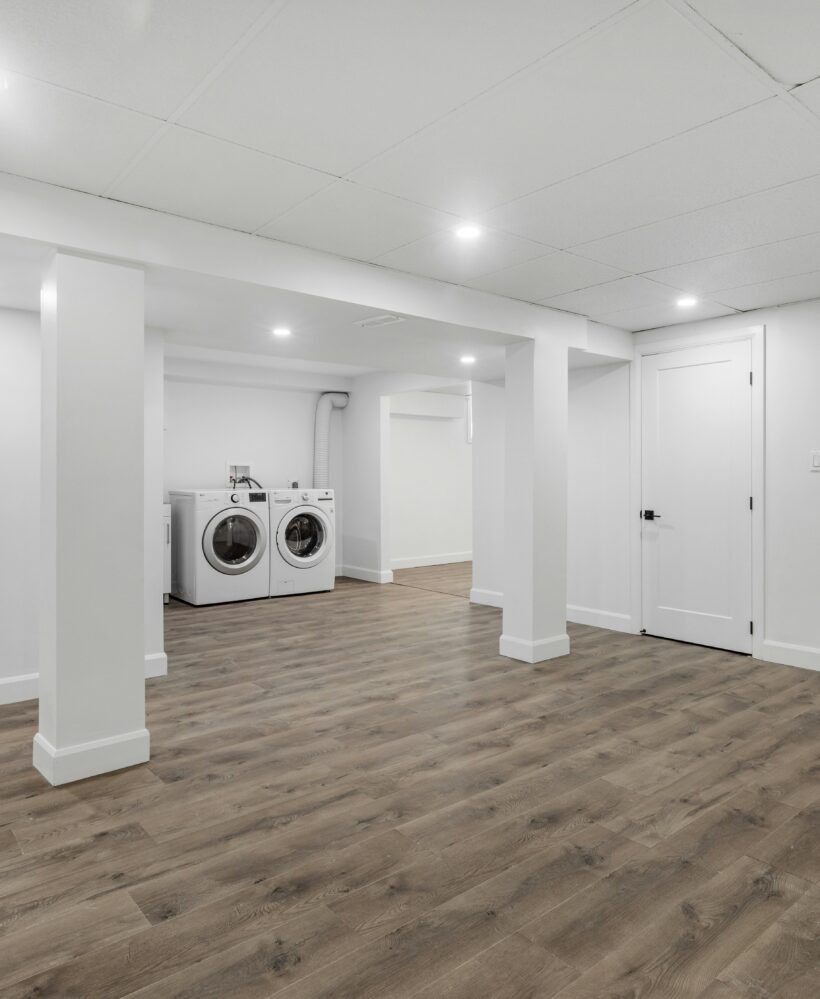
For context, a single bathroom renovation services job runs three to five weeks on its own, and a basement renovation services project lands at four to six weeks. A whole house is not the sum of those, because trades sequence and overlap, but it is longer than most people expect. Plan on:

  • Weeks 1 to 3: demolition, structural changes, rough framing.
  • Weeks 4 to 8: rough-ins for plumbing, electrical, HVAC, and inspections.
  • Weeks 9 to 14: insulation, drywall, primer, hardwood, tile substrate.
  • Weeks 15 to 22: cabinetry, stone, plumbing fixtures, trim, paint.
  • Weeks 23 to 28: final fixtures, appliances, punch list, occupancy inspection.

Where schedules slip

Cabinet lead times of 10 to 14 weeks, imported tile back-ordered at the port, an electrical inspection that catches an existing violation the homeowner inherited from a previous owner, or the discovery of knob-and-tube above a finished ceiling. A serious general contractor builds these risks into the schedule rather than promising a fairy-tale finish date.

Condo vs older house: the GTA reality check

The same scope of work behaves very differently depending on the building.

Condo units in Toronto, North York, and Markham

The condo corporation has rules, and they are not optional. Expect:

  • Board approval of drawings, often four to eight weeks before any work begins.
  • An indemnity agreement, contractor insurance certificates, and a deposit held by the corporation.
  • Work hours typically restricted to 9 a.m. to 5 p.m. weekdays, no weekends.
  • Elevator bookings for material delivery and debris removal, often weeks out and at a daily fee.
  • Limits on plumbing relocations, because most stacks are common elements you cannot legally touch.

This is why a $60,000 kitchen in a Yonge and Eglinton condo can cost more than a $60,000 kitchen in a Richmond Hill bungalow despite less square footage. The building tax is real.

Older houses in the GTA core

If your home was built before 1960 in the old City of Toronto, Etobicoke, or East York, assume four issues until proven otherwise: knob-and-tube wiring, galvanized supply lines, a cast iron stack near end of life, and no insulation in the exterior walls. The Ontario Building Code requires upgrades when more than 50 percent of a system is exposed during reno work, so the “just refresh the finishes” budget often quietly becomes a full systems replacement once walls are open. A reputable design-build firm will tell you this in writing before you sign, not after demolition.

Where a home renovation toronto budget tends to overrun

Three patterns account for the majority of overruns we see across the GTA.

  1. Scope creep. The kitchen leads to the dining room floor, which leads to refinishing the main stair, which leads to repainting the second floor. Each is reasonable in isolation, but they compound.
  2. Selection delays. Every week a homeowner spends choosing tile is a week of crew time the contractor still has to staff. A good design-build process locks 90 percent of selections before demolition starts.
  3. Hidden conditions. The Canadian Home Builders’ Association publishes guidance on this for exactly the reason it keeps happening: older homes hide things, and inspections done from the outside cannot find every one of them.

How to decide if a full reno is the right call

A full home renovation toronto homeowners take on makes financial sense when at least two of these are true:

  • Multiple systems (electrical, plumbing, HVAC) are end-of-life simultaneously.
  • The layout fights the way you actually live, and moving one wall will not fix it.
  • You plan to stay seven years or longer, so amortizing the cost works.
  • A staged approach would mean re-opening the same finishes twice, paying twice for protection, mobilization, and dust control.

If only one of those is true, a phased approach often wins. Start with the room that hurts most, usually the kitchen or primary bath, and revisit the rest in two or three years. Kitchen renovation services on a standalone basis are a common entry point, and many GTA homeowners use that project to gauge whether they want to commission their general contractor for a full house renovation services engagement later.

Paying for a home renovation toronto project

Most GTA homeowners fund a full reno through one of three routes: a HELOC against existing equity, a refinance at renewal, or a dedicated renovation loan. Rates and qualification rules shift, so it is worth pricing all three before you commit, and worth asking whether your contractor offers renovation financing options that let you stage draws against construction milestones rather than carrying the full balance from day one. Houzz Canada’s annual Houzz & Home renovation study consistently shows that homeowners who pre-arrange financing finish closer to budget than those who decide funding mid-project, because the second group ends up making finish compromises under time pressure.

What design-build actually changes

A traditional setup splits the project across an architect, a kitchen designer, a general contractor, and a handful of trade subcontractors who report to different people. Communication gaps in that model are where most of the “the cabinets do not fit the rough plumbing” stories come from.

A design-build firm holds all of those roles in-house. One team produces the drawings, pulls the permits, sources materials, runs the trades, and stands behind the work afterward. At Renoca Design, that is wrapped in a five-year warranty on labour, so if a tile cracks at the threshold in year three or a shower drain seeps in year four, the same firm that built it comes back to fix it without an argument about which sub was responsible. For homeowners weighing a full reno against a series of partial projects, the warranty alone often justifies the choice.

What to ask before signing a contract

  • Is the price fixed, cost-plus, or guaranteed maximum? Each is legitimate, but the answer changes how you read every other line.
  • Who pulls the permits and pays the inspection fees, the homeowner or the contractor?
  • What is the draw schedule, and what is the holdback at substantial completion?
  • What warranty covers labour, and what covers manufacturer defects?
  • Who is the project manager on site daily, and who do you call if they are unreachable?
  • How are change orders priced and approved in writing?

A contractor who answers these clearly, in writing, before you sign is the kind you want. A contractor who waves them off is the kind whose projects show up in small claims court.

The short version

A full home renovation toronto homeowners commission in 2026 is a six-figure decision that touches every system in the house and runs the better part of a year. The price varies less than people think once you account for square footage, age, and condo overhead. What separates a finished project from a half-built one is the team and the process, not the budget.

If you are weighing a full reno, a phased approach, or just a kitchen or basement to start, the most useful next step is a walkthrough with someone who can price the work against your actual house rather than a calculator. Book a free in-home consultation with Renoca Design and you will leave with a realistic scope, a real number, and a single team accountable from drawings through the five-year warranty.

Limited-Time Offer: Book a FREE in-home consultation and receive a $250 gift card toward your renovation

*Valid on orders valued at $2,000+

By submitting this form, you agree to receive SMS messages and/or calls from Renoca Design.

Seraphinite AcceleratorOptimized by Seraphinite Accelerator
Turns on site high speed to be attractive for people and search engines.